
Cultural rebuilding with transparency - How structured follow-up, visibility of decisions and feedback systems restore internal and external trust.
Operational crises don’t only leave logistical or financial damage: they fracture the internal culture. When a team goes through critical failures —whether due to production breakdowns, planning errors or quality incidents—, the real impact is on trust: between areas, toward management and, often, toward the company itself.
In industrial contexts, where value chains are synchronized by shifts, buffers and minimal downtime, a crisis can dismantle not only the indicators but also the relationships. Urgency takes over. Fear of error blocks communication. Decisions are made in isolation, without time or information.
In this scenario, rebuilding culture with transparency and data is not a slogan: it is an operating strategy. And it starts by turning uncertainty into traceability, and noise into reliable follow-up structures.
The role of structured follow-up in post-crisis management - Cultural rebuilding with transparency
The first thing to deteriorate in a crisis is the narrative: what happened, who decided what, and why. When this sequence is not clear, the space fills up with speculation. That is why structured follow-up in management is the first tool to contain cultural damage.
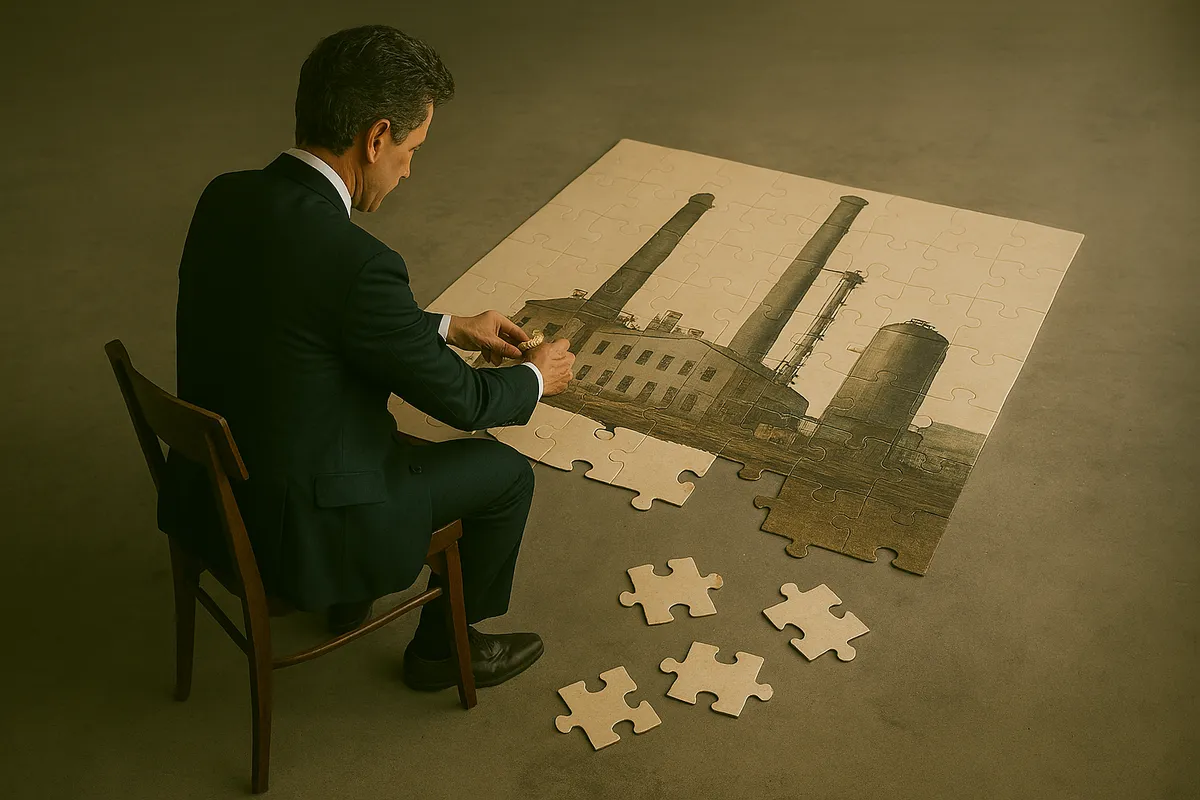
This does not mean a punitive audit, but setting up a system that records key decisions, critical events and lessons learned. Tools such as decision logs, visual logbooks or operational Kanban boards make it possible to reconstruct the thread of what happened. In companies that apply methodologies such as A3 Problem Solving or TWI Job Relations, this practice is already built in as a way of learning.
“It’s not about looking for someone to blame, but about leaving traceability so the team can trust the process again.”
Structured follow-up turns the chaotic into something that can be analyzed. And what can be analyzed, into something that can be improved.
Operational visibility in critical environments
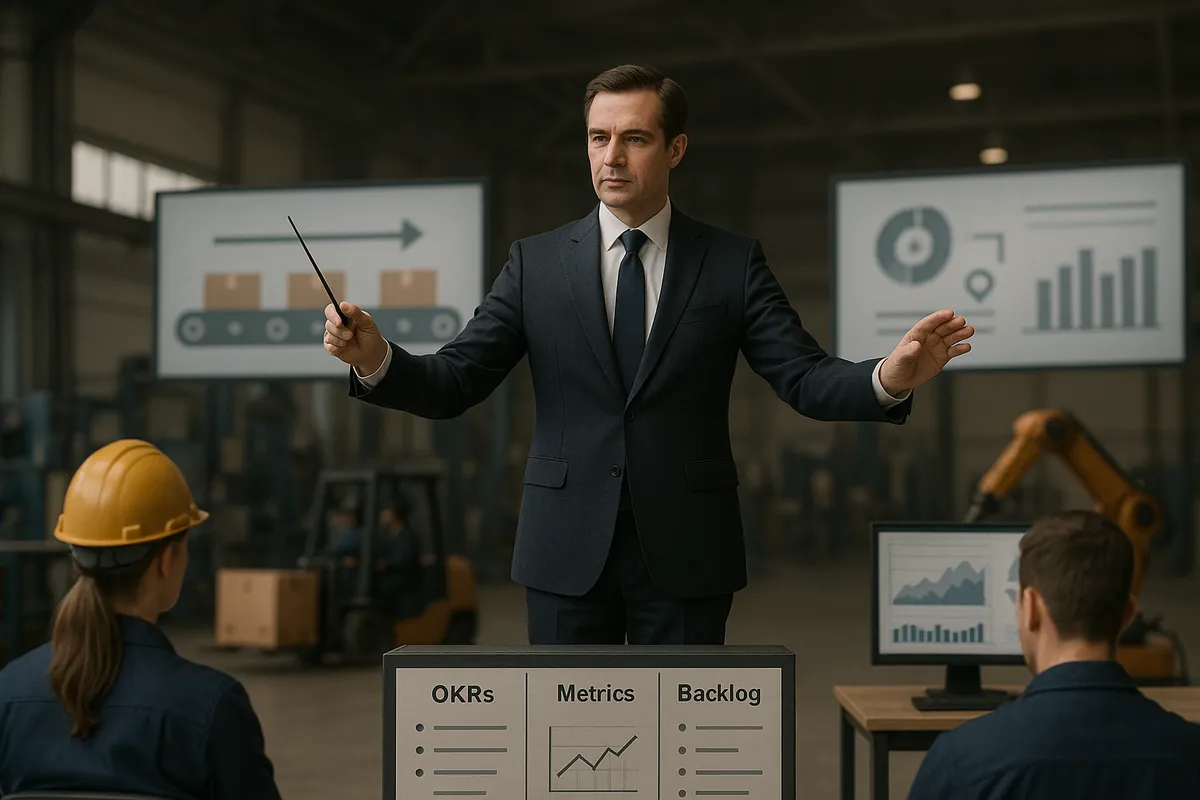
After a crisis, management needs to lead with clear signals. The first is to open up visibility into what is being done, what is being prioritized and what results are expected. Without this, teams keep operating under tension.
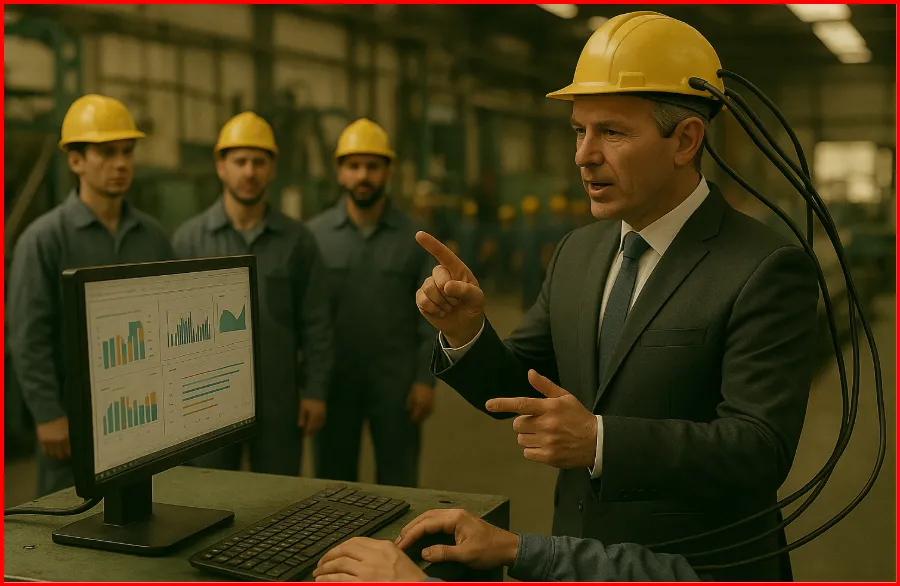
That is why one of the most frequently repeated successful post-crisis protocols in industrial operations is the use of open dashboards, showing both recovery indicators and cross-area commitments. In manufacturing environments, this practice is related to Visual Management and Daily Accountability, principles of the Lean model.
It is not just about showing figures: it is about the team seeing that there is a direction, a rationale and a sequence of improvement it can follow. When this happens, cultural rebuilding begins to take hold.
Rebuilding trust after a crisis does not depend solely on good speeches. It depends on systems that make it possible to learn in real time, generate shared evidence and give visibility to decisions. The focus is no longer on repairing an image, but on reconfiguring a culture that lost cohesion. To achieve this, transparency cannot be a stated intention: it has to be an operational technical structure.
Industrial feedback systems: listening as a protocol
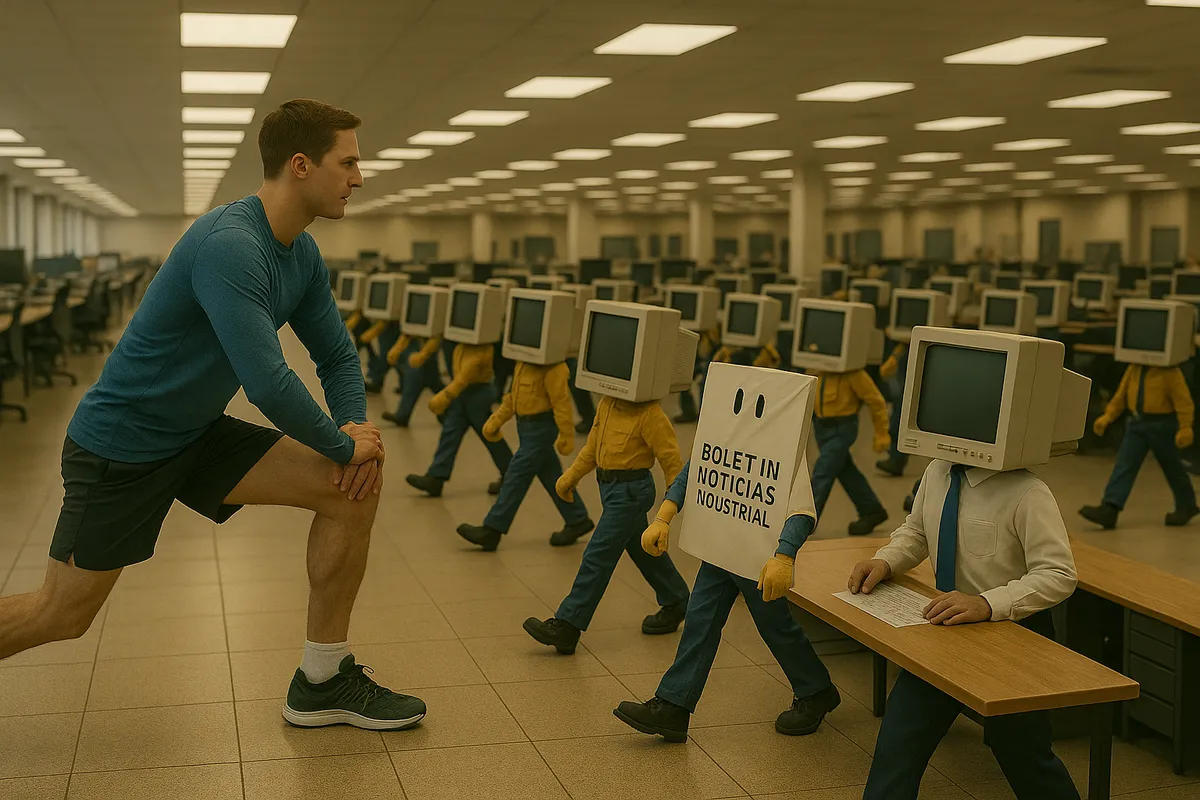
One of the most common mistakes after a crisis is to assume that “everything goes back to normal” with the passage of time. But in industrial systems, time does not repair silences or clear up ambiguities. Actively listening to the team becomes a key technical function.
Industrial feedback systems are not based on generic motivational surveys. They are structured as systematic processes for gathering qualitative and quantitative data from the shop floor. This can take many forms:
- Structured meetings by shift with an observations template.
- Logs of incidents and improvements entered by operators.
- Listening rounds with supervisors, following TWI logic.
- Analysis of repeated micro-failures as a sign of cultural misalignment.
In companies that apply continuous improvement models such as Lean or PDCA cycles, these systems are already integrated into operational rituals. But after a crisis, they must be reactivated with an additional layer: validating that the team trusts again that speaking up is worthwhile.
“Feedback only works if the person giving it knows that something will be done with it.”
That is why closing the loop is as important as opening it. Listening without acting worsens internal perception.
Successful post-crisis protocols: order amid the noise
There is no single way out of a cultural crisis. But there are replicable patterns in companies that have managed to sustain their recovery:
- Crisis analysis with shared learning
What happened, how people acted and what was learned are documented in a format accessible to all levels. It is not a memo, it is a piece of cultural rebuilding. - System of public cross-area commitments
Each team defines what it will do to contribute to the recovery. It is not imposed from above: it is agreed upon, published and measured. This turns transparency into action. - Recovery committees with visible indicators
These are not hierarchical committees, but mixed teams that follow up on structural improvements, focusing on pending decisions and critical points. - Cycle-closing rituals
Every crisis needs a closure. Companies that skip this step tend to carry a culture of ambiguity and suspicion. The closure can be a presentation, a meeting or an operational milestone. But it must be clear.
These protocols cannot be improvised. They must be designed with intention, aligned with the operating model and with the active participation of the team.
Visibility as architecture: trust is built with shared data
In industrial environments, operational visibility in critical environments works as a common language. When everyone sees the same thing, decisions are validated faster, friction is reduced and noise goes down.
This is achieved through:
- Recovery dashboards accessible on the plant floor.
- Maps of resolved incidents, updated in real time.
- Root cause workflows with collaborative follow-up.
- Culture KPIs, such as turnover, internal complaints and participation in rituals.
Visibility is not transparency unless it is designed as part of a system. That is why it is key for it to be integrated into the ERP, the MES system or whatever management software is used. Companies that do it well don’t just show what works: they explain what is being corrected, how and with what criteria.
From error to an antifragile culture
Rebuilding does not seek to return to what existed before. It seeks to build something that won’t break the same way next time. That is why the real goal is not to close the crisis, but to transform the organizational culture so that error is part of the design.
This translates into:
- Replacing the logic of culprits with that of systemic conditions.
- Turning every crisis into an internal case study.
- Designing rituals where error is discussed without punishment.
- Including the cultural dimension in management dashboards.
A system that does not document its failures, does not listen to the shop floor and does not trace learning across areas is doomed to repeat its crises, even if the leaders change.
Final reflection: the new language of trust is technical
Today, rebuilding trust does not depend only on the leader’s charisma. It depends on how well the system around them is designed. An effective post-crisis protocol is not an emotional response. It is an infrastructure of structured follow-up, operational visibility and active feedback.
Trust is no longer built with promises: it is built with visible data and traceable decisions.
“Culture is repaired with structures, not with speeches.”
Follow us on social media: LinkedIn and keep reading other articles